Genre: Royal Stockholm Philharmonic Orchestra

Maurice Ravel Bolero

A single relentless rhythm, two melodies and a tremendous crescendo.

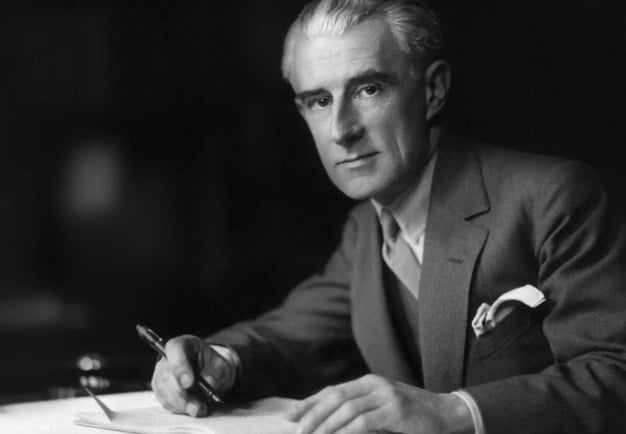
Spain was a recurring source of inspiration for Maurice Ravel, whose mother was born there. Spanish colours and dance rhythms can be found in several of his works, but in Bolero from 1928 he distilled the idea in an almost radical fashion. Originally composed as ballet music, the work is based on the Spanish dance, the bolero.

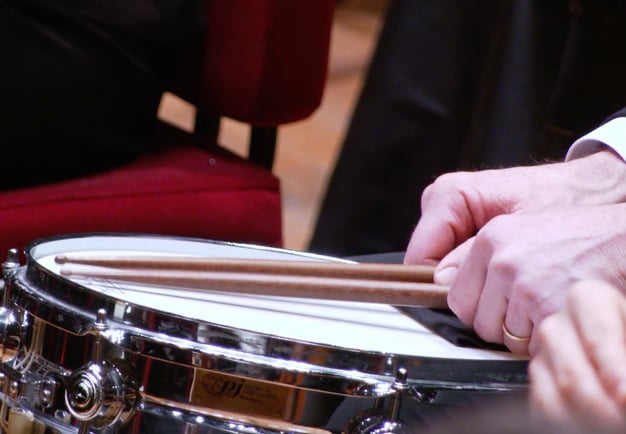
The principle is as simple as it is ingenious. The snare drum maintains the same rhythm throughout almost the entire piece, while two melodies are repeated again and again. What changes above all are the sonority and dynamics. The melodies pass from one orchestral instrument to another, appearing in constantly shifting colours and combinations, while the music grows from a subdued opening to a tremendous crescendo.

Ravel himself described Bolero as an experiment in orchestration. Throughout the long build-up, the music seems almost to stand still while remaining in constant motion. Only towards the very end is the hypnotic pattern broken by a surprising change of key. After so much repetition, the effect is all the more striking – and quickly propels the music towards its explosive conclusion.

  • The music

  • Maurice Ravel Bolero
  • Participants

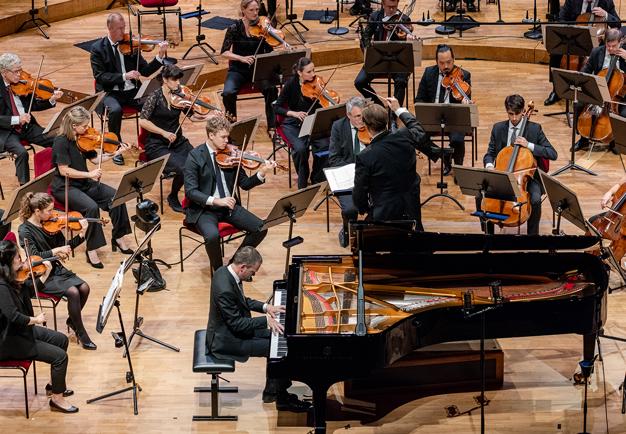
  • Royal Stockholm Philharmonic Orchestra
  • Anton Holmer conductor

About the video

  • Filmed 4 April 2024.
  • The video is approximately 16 minutes.

Watch in our app

The Konserthuset Play app makes it easier to experience music on your phone or tablet – or on a big screen! Read more

FAQ about Konserthuset Play

Our tips for how to best take advantage of our selection and how you watch our livestreams. To FAQ

Genre: Royal Stockholm Philharmonic Orchestra

Maurice Ravel Bolero

A single relentless rhythm, two melodies and a tremendous crescendo.

About the video

  • Filmed 4 April 2024.
  • The video is approximately 16 minutes.

Spain was a recurring source of inspiration for Maurice Ravel, whose mother was born there. Spanish colours and dance rhythms can be found in several of his works, but in Bolero from 1928 he distilled the idea in an almost radical fashion. Originally composed as ballet music, the work is based on the Spanish dance, the bolero.

The principle is as simple as it is ingenious. The snare drum maintains the same rhythm throughout almost the entire piece, while two melodies are repeated again and again. What changes above all are the sonority and dynamics. The melodies pass from one orchestral instrument to another, appearing in constantly shifting colours and combinations, while the music grows from a subdued opening to a tremendous crescendo.

Ravel himself described Bolero as an experiment in orchestration. Throughout the long build-up, the music seems almost to stand still while remaining in constant motion. Only towards the very end is the hypnotic pattern broken by a surprising change of key. After so much repetition, the effect is all the more striking – and quickly propels the music towards its explosive conclusion.

  • The music

  • Maurice Ravel Bolero
  • Participants

  • Royal Stockholm Philharmonic Orchestra
  • Anton Holmer conductor

Watch in our app

The Konserthuset Play app makes it easier to experience music on your phone or tablet – or on a big screen! Read more

FAQ about Konserthuset Play

Our tips for how to best take advantage of our selection and how you watch our livestreams. To FAQ